
Skincare
Urea Cream for Very Dry Skin: How It Works and What Strength to Pick
Urea is both a humectant and a keratolytic — at 5 to 10 percent it draws water into dry skin, and at 10 to 20 percent it also dissolves rough, thickened patches.
Skincare covers cleansers, serums, moisturizers, sunscreens and actives, each used for weeks before any verdict. Notes cover texture, layering, irritation and cost per application. Written for readers with a specific problem, whether barrier damage, pigmentation or congestion, and a budget to solve it.
Urea is both a humectant and a keratolytic — at 5 to 10 percent it draws water into dry skin, and at 10 to 20 percent it also dissolves rough, thickened patches.
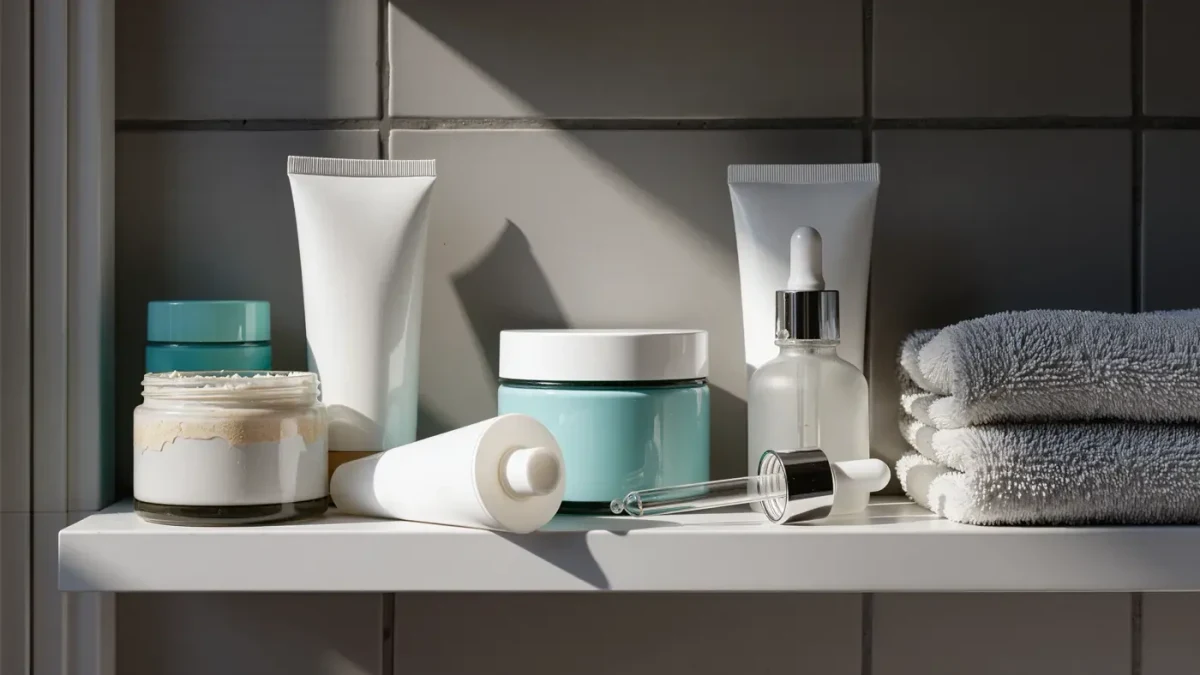
Brief tingling usually traces to a broken barrier, active ingredients, or a low pH formula; burning that persists, spreads, or returns nightly points to a product you should retire.
The exfoliate-exfoliate-recover-recover schedule is a sensible retinoid-tolerance plan dressed in new vocabulary, and dermatology's verdict is cautious approval.
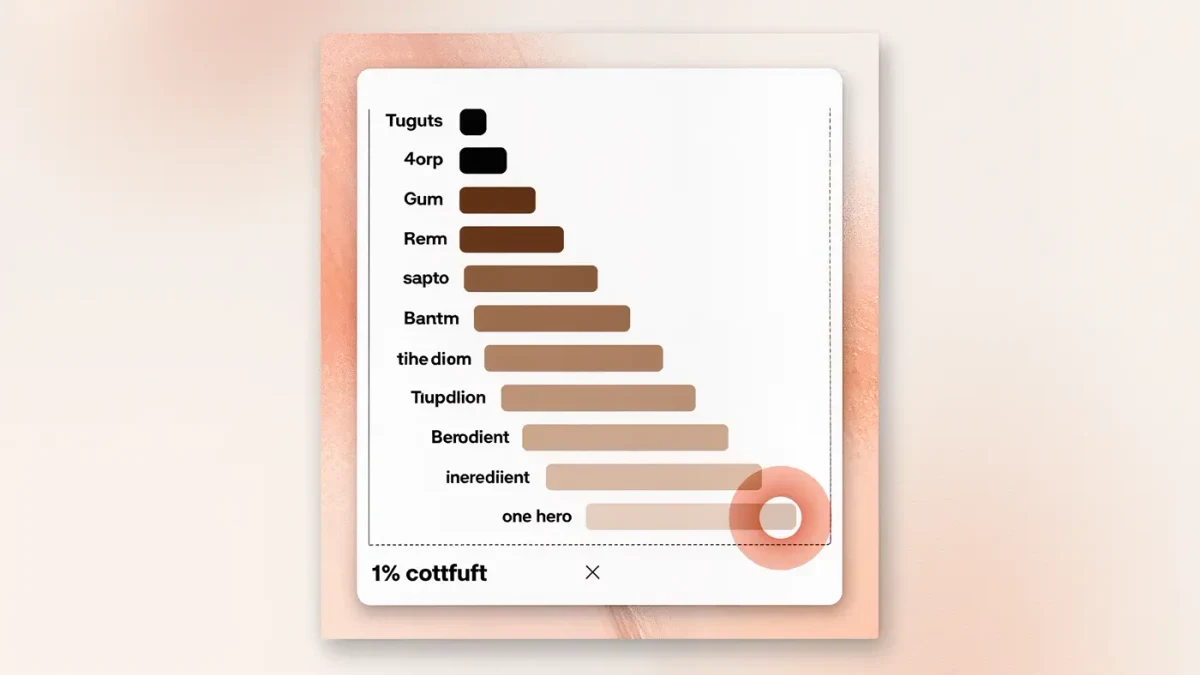
Ingredient order tells you concentration: anything above one percent is listed by weight, descending, and everything below one percent can appear in any order.

Uniform itchy small bumps across the chest, back, or hairline point to Malassezia folliculitis — a yeast overgrowth that acne products will not fix.
Morning application under sunscreen, on dry skin, at a concentration between 10 and 20 percent is the regimen backed by the best published data.